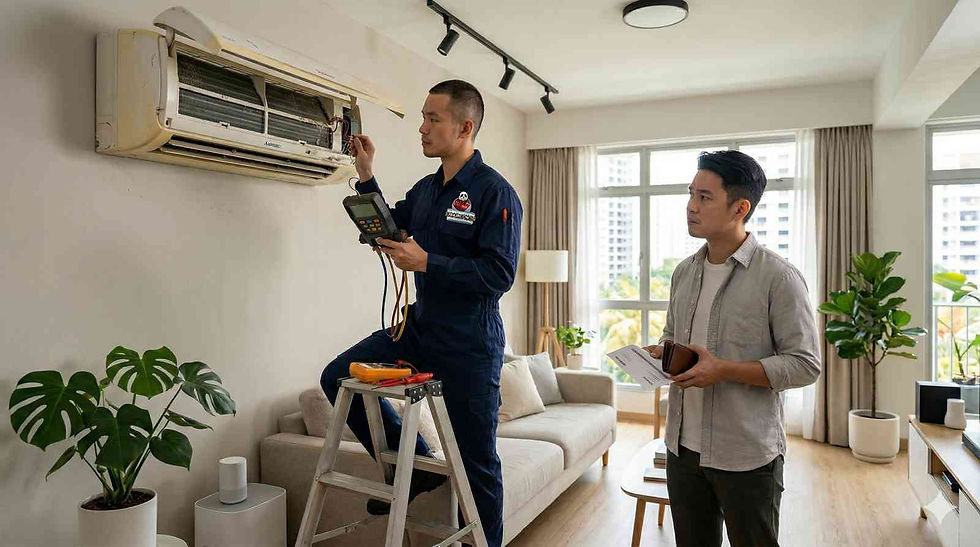
Is Smart Aircon Monitoring Worth the Investment in Singapore? A Real-World Breakdown


Singapore’s tropical climate makes air conditioning more of a necessity than a luxury. However, with rising utility costs and increasing eco-consciousness, many homeowners and businesses are exploring smart aircon monitoring systems to conserve energy, save money, and eliminate hassle.
But is smart aircon monitoring really worth the investment? Or is it just another smart home gimmick? This guide delves into the real value of these systems, specifically tailored for Singapore’s HDBs, condos, and landed homes.
Quick Takeaways
Smart aircon monitoring can cut your electricity bills by 20–30%
Remote access and predictive alerts offer convenience and peace of mind
Initial investment is affordable and pays off in under 2 years
Ideal for families, offices, and frequent aircon users
Integration with smart home systems enhances overall automation
Advanced models like Sensibo Air Pro offer comprehensive climate control
Voice commands make the operation effortless
Not all systems are compatible — check before buying
What Is Smart Aircon Monitoring?
Smart aircon monitoring refers to the use of sensors, Wi-Fi-enabled devices, and mobile apps to track, control, and optimize your air conditioning systems in real-time.
These smart home devices act as an AC controller that bridges the gap between traditional cooling systems and modern home automation systems.
A smart air conditioner setup allows you to:
Adjust the temperature from anywhere using your smartphone
Monitor energy consumption in real time
Detect malfunctions or maintenance needs early
Set automatic schedules based on your lifestyle
Integrate with smart home assistants like Alexa or Google Home
Control your air conditioning through voice commands
Optimize indoor air quality and climate control
The beauty of smart AC control lies in its ability to turn any standard air conditioning unit into a connected device that works with your existing wi fi network. This type of technology enables you to control your AC from anywhere, making it a true game-changer for busy Singaporeans.
Popular brands in Singapore include Ambi Climate, Sensibo Sky, Sensibo Air Pro, Daikin Smart Control, and Mitsubishi Electric smart controllers.
Advanced Smart Air Controllers: A Closer Look
Sensibo Sky: The Versatile Choice
The Sensibo Sky is one of the most popular smart air controllers in Singapore. This compact device is compatible with most air conditioners and enables you to control your air conditioner remotely from your smartphone.
The Sensibo Sky integrates seamlessly with your smart home system, enabling you to remotely adjust the temperature and monitor your home’s temperature patterns.
Key features of the Sensibo Sky include:
Universal compatibility with most AC brands
Integration with smart home platforms like Google Home and Alexa
Advanced scheduling and geofencing capabilities
Energy consumption tracking
Climate control optimization
Sensibo Air Pro: Premium Performance
For even more functionality, the Sensibo Air Pro offers additional features that make it ideal for larger living spaces. This advanced smart air controller features built-in air quality sensors that monitor your indoor air quality, providing temperature control and beyond.
The Sensibo Air Pro allows you to control your air conditioning and track:
Indoor air quality metrics
Humidity levels
Temperature fluctuations
Energy efficiency patterns
Benefits of Smart Aircon Monitoring Systems
Here’s what makes smart aircon monitoring so appealing, especially in Singapore:
1. Lower Electricity Bills Through Enhanced Energy Efficiency
With real-time energy tracking and usage optimization, you can save up to 20–30% of aircon-related electricity costs. A typical household can save by monitoring usage and setting intelligent schedules.
Smart home devices continuously analyze your cooling patterns, allowing you to optimize energy consumption without sacrificing comfort in your living space.
2. Ultimate Remote Access & Control
Left the house and forgot to turn off the aircon? No problem. With mobile apps, you can control your AC from anywhere — perfect for busy professionals or parents managing energy use remotely.
Whether you’re at home or abroad, your smart air controller allows you to adjust the temperature to your preference before you arrive.
3. Predictive Maintenance Alerts
Smart aircon systems detect unusual performance and prompt maintenance reminders before a breakdown occurs — saving you money on major repairs and preventing water leakage disasters.
These intelligent air conditioning units continuously monitor performance metrics, allowing you to address issues before they become costly problems.
4. Better Comfort and Air Quality
Smart monitoring enables temperature control from anywhere and humidity management, ensuring your indoor environment remains comfortable in Singapore’s humid climate.
Advanced models, such as the Sensibo Air Pro, can also track and improve indoor air quality, ensuring your living space is always optimal.
5. Seamless Smart Home Integration
Modern smart air controllers integrate seamlessly with existing home automation systems, ensuring everything is unified.
Your smart devices can communicate with each other, allowing you to create sophisticated scenarios, such as automatically adjusting your air conditioner when you leave home or coordinating with your smart thermostat for optimal climate control.
6. Eco-Friendly Living
Smart systems reduce your carbon footprint by cutting unnecessary energy use and integrating with solar or energy-saving programs. By optimising how your air conditioning unit operates, these systems contribute to more sustainable cooling practices.
Advanced Features and Integration
Voice Commands and Smart Assistant Integration
Most smart air controllers work with popular voice assistants, so you can control your air conditioning with voice commands. Whether you use Amazon Alexa, Google Assistant, or Apple HomeKit, you can adjust the temperature without needing to reach for your phone.
Commands like "Hey Google, set the living room temperature to 24 degrees" or "Alexa, turn off the bedroom aircon" make controlling your aircon easy. This integration with smart home systems is a big plus for tech-savvy Singaporeans.
Geofencing and Scheduling
Advanced smart air controllers can detect when you’re approaching home and adjust the temperature to your preferred settings. This geofencing feature ensures your home is comfortable when you arrive and energy efficient when you’re away.
Costs: Upfront and Long-Term
Let’s break down the true cost of investing in smart aircon monitoring in Singapore.
Cost Component | Estimated Price (SGD) |
Smart device (per unit) | $80 – $300 |
Installation (optional) | $50 – $150 |
Subscription (some brands) | Free to $5/month |
ROI Payback Time | 6 months – 2 years |
While the upfront cost should be considered, most homeowners recover their costs through lower SP Group utility bills within under 2 years. The exact payback period depends on the type of system you choose and your current energy consumption patterns.
Real-Life Case Studies in Singapore
Case 1: HDB Flat in Sengkang
A family of 4 using aircon 10 hours/day installed Ambi Climate controllers in 3 rooms. Over 12 months, they saved 24% energy.
The mobile app usage also helped them identify that their living room aircon was overworking due to poor insulation. With a smart scheduling system, they were able to control your air conditioning more efficiently and reduce their monthly bills.
Case 2: Office Unit in Tanjong Pagar
A co-working space with 12 air conditioning units integrated smart aircon monitoring with your existing office management system.
Within 6 months, they saved 30% in power bills and received early alerts about clogged filters, preventing service disruption. The smart home system integration allowed facility managers to control your air conditioning across all units from a central dashboard.
Case 3: Landed Property in Bukit Timah
A family living in the upscale Bukit Timah area installed Sensibo Air Pro controllers throughout their three-storey home.
The system’s advantage came through its zoning capabilities, allowing different cooling preferences for each family member. The homeowners could adjust the temperature in individual rooms based on occupancy and saved 35% energy compared to their previous manual control methods.
Compatibility with Different Air Conditioner Brands
Mitsubishi Electric Integration
Mitsubishi Electric air conditioners work well with smart controllers due to their inverter technology. The combination of the brand’s energy-efficient cooling systems with smart controls is the perfect balance between performance and energy consumption.
Universal Compatibility
Most smart air controllers are designed to control your aircon regardless of brand, making them suitable for Singapore’s diverse range of air conditioners. Whether you have a window unit, split system or central aircon, there’s a compatible smart controller available.
Limitations and Considerations
Before you buy, be aware of these:
Not all aircon models are compatible — check before buying
Internet dependency: no internet = no remote control
Privacy: Some systems collect user data
May not be cost-effective for low-usage households (e.g. elderly who rarely use aircon)
Initial setup may require technical knowledge
Some advanced features require subscription services
Who Should Invest in Smart Aircon Monitoring?
✅ Families using aircon daily who want to control your aircon efficiently
✅ WFH professionals or digital nomads who need flexible climate control
✅ Landlords managing multiple units remotely through centralized control systems
✅ Eco-conscious homeowners with existing smart home devices
✅ Commercial property owners seeking energy efficiency improvements
✅ Tech enthusiasts looking for seamless home automation systems integration
If you rarely use aircon or live in a naturally breezy home, it might not be for you. However, if your aircon runs more than 6 hours a day, it’s probably worth it.
The Future of Smart Aircon
Smart air technology is evolving, with new features being added regularly to enhance the user experience. Future developments may include:
AI-powered learning algorithms that automatically adjust your home’s temperature
Enhanced indoor air quality monitoring
Integration with renewable energy systems* Advanced predictive maintenance
Improved energy efficiency through machine learning
Verdict: Is It Worth the Investment?
Yes — if you’re a frequent aircon user in Singapore.
Smart aircon monitoring systems are more than just a cool gadget. They help you:
Cut energy bills through intelligent control
Improve comfort with precise climate control
Prevent breakdowns through predictive maintenance
Manage your home smarter with seamless integration
Control your aircon from anywhere in the world
Optimize energy consumption for environmental benefits
For households in Singapore’s hot and humid climate, investing in a smart aircon system pays off over time, in both savings and peace of mind. The ability to control your aircon remotely while monitoring energy usage makes these devices particularly valuable for busy urban lifestyles.
Alternatives If You’re Not Ready to Go Full Smart
Use plug-in timers to limit aircon hours
Install energy-efficient inverter air conditioners
Try IR remote controls for basic scheduling
Do regular servicing to extend the lifespan manually
Consider smart plugs as a budget-friendly alternative
Installation and Setup
Most smart air controllers are designed for easy DIY installation. Simply mount the device near your aircon unit, connect it to your wi fi network, and download the accompanying mobile app. Professional installation is available for those who prefer expert setup, ensuring optimal placement and configuration.
Final Thoughts
In a city like Singapore, where the aircon runs almost daily, a smart monitoring system isn’t just a luxury — it’s a smart move. While it may not be for everyone, for many, it delivers real energy savings, better comfort, and fewer repair headaches.
The technology has matured to the point where controlling your aircon from your smartphone is no longer a novelty but a practical necessity. From your office to your vacation destination, you can ensure your home maintains the perfect climate while optimizing energy consumption.
FAQs
1. What is smart aircon monitoring and how does it work?
Smart aircon monitoring utilizes Wi-Fi-enabled sensors and apps to track, control, and optimize your aircon performance in real-time. These devices act as an intelligent AC controller that connects your existing aircon unit to your smartphone and smart home system.
2. Is smart aircon monitoring suitable for HDBs?
Yes, especially for families who use aircon frequently. It helps cut energy costs and improves comfort in small spaces. The compact size of devices like the Sensibo Sky makes them perfect for HDB installations.
3. Can it integrate with Google Home or Alexa?
Most modern systems like Sensibo and Ambi Climate integrate easily with major smart assistants, allowing you to control your aircon through voice commands at home.
4. Is it worth the cost in Singapore’s climate?
Yes, especially given the long aircon usage hours typical in Singapore homes. The ability to control your aircon efficiently while monitoring energy consumption provides significant value.
5. How do I know if my aircon is compatible?
Check the device’s compatibility list or consult an aircon expert like 338 Aircon. Most modern aircon units work with universal smart controllers.
6. What’s the difference between Sensibo Sky and Sensibo Air Pro?
The Sensibo Air Pro features additional air quality sensors and advanced capabilities, whereas the Sensibo Sky focuses on core temperature control and scheduling functionality.
7. Can I control multiple aircon units from one app?
Yes, most smart air systems allow you to manage multiple aircon units from a single mobile application, making it easy to control your air conditioning system throughout your entire home or office.
8. Do smart air controllers work during power outages?
Smart controllers require power and internet connectivity to function. However, they typically resume normal operation automatically when power is restored, maintaining your preset schedules and preferences.