Is 9000 BTU Enough for a HDB Bedroom? A Complete Singapore Homeowner’s Guide


If you live in Singapore, you’ve probably asked yourself this exact question at some point: is 9000 BTU enough for a HDB bedroom?
It sounds simple, but once you factor in our hot and humid climate, different HDB layouts, inverter technology, and rising electricity bills, the answer becomes more nuanced than most installers or sales brochures admit.
This guide is written for real homeowners—not engineers—so we’ll explain everything in plain language, grounded in what actually works in a typical HDB flat.
By the end of this post, you’ll know whether 9,000 BTU is enough for your home, when it isn’t, and how to choose the right aircon setup without costly mistakes.
Quick Takeaways
Yes, 9,000 BTU is enough for most HDB common bedrooms (around 8–12 sqm) when ceiling height, sun exposure, and usage are normal.
Master bedrooms often need more than 9,000 BTU, especially if they are larger, west-facing, or used by more than one person.
In Singapore’s hot and humid climate, proper BTU sizing matters more than overseas guides—undersized units struggle with humidity and comfort.
An inverter aircon with the right BTU can lower electricity bills, while a unit that’s too small may actually cost more to run long-term.
Room size, sun direction, and usage habits matter more than BTU alone, so choosing the right setup beats simply “going bigger.”
What Does “9000 BTU” Actually Mean?
BTU means British Thermal Unit, which is simply a way to measure heat. When it comes to air conditioning, it tells you how much heat an aircon unit can remove from a room each hour.
Higher BTU = more cooling capacity
Lower BTU = less cooling power
A 9,000 BTU aircon (sometimes written as 9,000 btu or 9000 btu) means the unit can remove about 9,000 BTUs of heat per hour from the air.
But BTU alone doesn’t tell the full story.
Why BTU Sizing Matters More in Singapore
Unlike cooler countries, Singapore has:
High humidity year-round
Warm nights (not just hot afternoons)
Concrete HDB structures that retain heat
This means an air conditioner here doesn’t just cool the air—it also removes moisture. If the aircon unit is too small, it struggles to dehumidify properly, making the room feel clammy even when the temperature drops.
That’s why choosing btu for Singapore homes isn’t the same as following overseas charts.
Typical HDB Bedroom Sizes (Realistic Expectations)
Before deciding whether 9000 BTU is enough, you must look at the room size.
Common HDB Bedroom
Approx. 8–12 sqm
Usually fits a bed, a wardrobe, and a desk
Door closed most of the time
➡️ 9,000 BTU is the most common and suitable choice
HDB Master Bedroom
Approx. 13–18 sqm
Larger windows
Often more people use the room
➡️ 9,000 BTU may work, but 12,000 BTU is often the best option
Study / Small Room
Below 8 sqm
➡️ Even 6,000 BTU may be enough, but many still choose 9,000 BTU for comfort
When 9000 BTU Is Enough for a HDB Bedroom
A 9,000 BTU aircon works well if most of the following apply:
The bedroom is under ~12 sqm
Ceiling height is standard (not loft-style)
The room doesn’t face direct afternoon sun
Only 1–2 people sleep in the room
Usage is mainly at night
Door is closed while the aircon is running
You use an inverter system
In this scenario, the cooling effect is stable, the unit cycles efficiently, and your electricity bill stays reasonable.
When 9000 BTU Is Not Enough
Even though many installers default to 9,000 BTU, there are situations where it is simply underpowered.
1. West-Facing Rooms
Afternoon sun adds a huge heat load. Even at night, the walls release the heat they stored during the day.
2. Larger Master Bedrooms
A master bedroom with an attached bathroom, larger wardrobe area, or open layout increases the space that needs cooling.
3. High Heat Load
Gaming PCs, workstations, multiple monitors, or even heavy lighting add heat in a small room.
4. Poor Ventilation or Insulation
If hot air leaks in easily, the aircon unit runs longer to compensate.
In these cases, a 12,000 BTU unit provides more consistent comfort and may actually lower long-term electricity bills.
Why “Bigger Is Not Always Better”
Some homeowners think installing the biggest unit possible is safer. That’s not always true.
An oversized air conditioning unit can:
Cool the room too quickly
Shut off before removing humidity
Cause uneven temperatures
Increase wear on components
This is known as short cycling—an error many people don’t realise they’re making.
Understanding Inverter vs Non-Inverter Systems
Most modern air conditioners in Singapore use inverter technology.
Inverter System
Adjusts cooling power dynamically
More energy efficient
Quieter
Better humidity control
A 9,000 BTU inverter unit often performs better than a larger non-inverter model.
How BTU Choice Affects Your Electricity Bill
Many homeowners worry that higher BTU ratings automatically mean higher electricity bills. That’s not always the case.
An undersized unit runs longer at full power
An appropriately sized unit cools faster and maintains temperature efficiently
In practice, the right BTU often reduces electricity bills over time.
System 2, System 3, or System 4 – Does It Matter?
Yes, but indirectly.
In a system 3 or system 4, the shared outdoor unit must be sized correctly. Even if each indoor unit is 9,000 BTU, the condenser unit must support the combined load.
Poor planning here reduces the cooling capacity of each room.
Bedroom vs Living Room: Different Cooling Needs
The living room and bedroom behave very differently.
The living room has higher foot traffic
More heat from appliances
Doors opening frequently
That’s why BTU sizing for the living room is usually higher than for bedrooms.
Ceiling Fan + Aircon: A Smart Combination
Using a ceiling fan alongside your air con helps circulate the air, allowing you to:
Set the temperature higher
Reduce cooling load
Lower energy use
This setup works especially well with 9,000 BTU units.
Installation Factors Most Homeowners Overlook
Even the best aircon fails if installed poorly.
Key Details to Check
Proper drainage from the indoor unit
Correct pipe length from the indoor to outdoor unit
Secure mounting on the aircon ledge
Good airflow clearance
Poor installation reduces real-world cooling power.
Choosing the Right Air Conditioning Unit for Your HDB
When deciding to install an aircon, look beyond BTU alone.
Consider:
Room orientation
Number of occupants
Daily usage pattern
Whether you want a quieter unit
Long-term maintenance needs
The goal is comfort, not just cold air.
Common Myths About 9000 BTU Aircons
Myth: 9,000 BTU is too weak
Truth: It’s perfect for many HDB bedrooms
Myth: Bigger units always cost more to run
Truth: Efficiency matters more than size
Myth: All bedrooms need the same BTU
Truth: Layout and exposure change everything
A Simple Rule-of-Thumb Guide
While every home is different, here’s a practical guide:
Small bedroom (<10 sqm): 9,000 BTU
Common bedroom (10–12 sqm): 9,000 BTU
Master bedroom (13–16 sqm): 12,000 BTU
Larger rooms or sun-exposed: 12,000–18,000 BTU
This keeps your air conditioning system balanced.
Final Verdict: Is 9000 BTU Enough for a HDB Bedroom?
For many Singaporean households, 9,000 BTU is exactly right. It balances comfort, efficiency, and long-term cost—when chosen correctly.
But aircon sizing isn’t about guessing. It’s about understanding your space, your usage, and how your air conditioning units work together with the outdoor system.
Choose wisely, and your aircon will quietly do its job—night after night—without surprises on your electricity bill.
Ready to Choose the Right Aircon for Your HDB Bedroom?
If you’re still unsure whether 9,000 BTU is enough for your HDB bedroom, getting it wrong can mean years of poor cooling and higher electricity bills.
338 Aircon helps Singapore homeowners size their aircon properly—based on real room conditions, not guesswork.
👉 Why choose 338 Aircon?
On-site assessment tailored to your HDB layout
Honest BTU recommendations (no upselling)
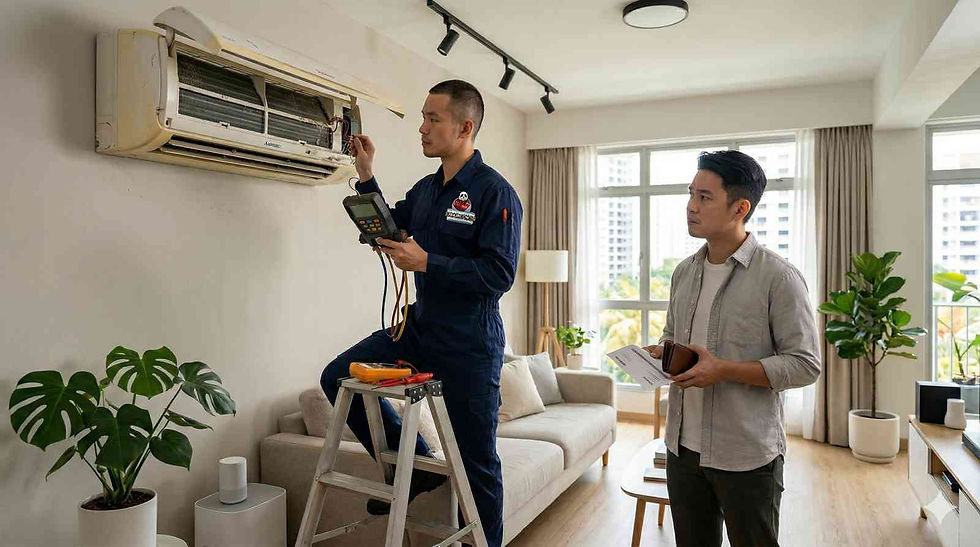
Experienced technicians familiar with HDB restrictions and aircon ledges
Transparent pricing with long-term performance in mind
📞 Book a consultation with 338 Aircon today and get expert advice before you install—so your bedroom stays cool, comfortable, and cost-efficient from day one.
FAQs
Is 9000 BTU enough for a HDB master bedroom?
Sometimes, but often borderline. A larger unit offers more consistent comfort.
Can a 9000 BTU room air conditioner cool fast enough?
Yes, if the room size and heat load are suitable.
Will a 9000 BTU aircon unit spoil faster?
Not if it’s properly sized and maintained.
Does an inverter system change BTU requirements?
It improves efficiency but doesn’t replace proper sizing.
Can I use the same BTU logic for my living room?
No. The living room usually needs higher capacity.