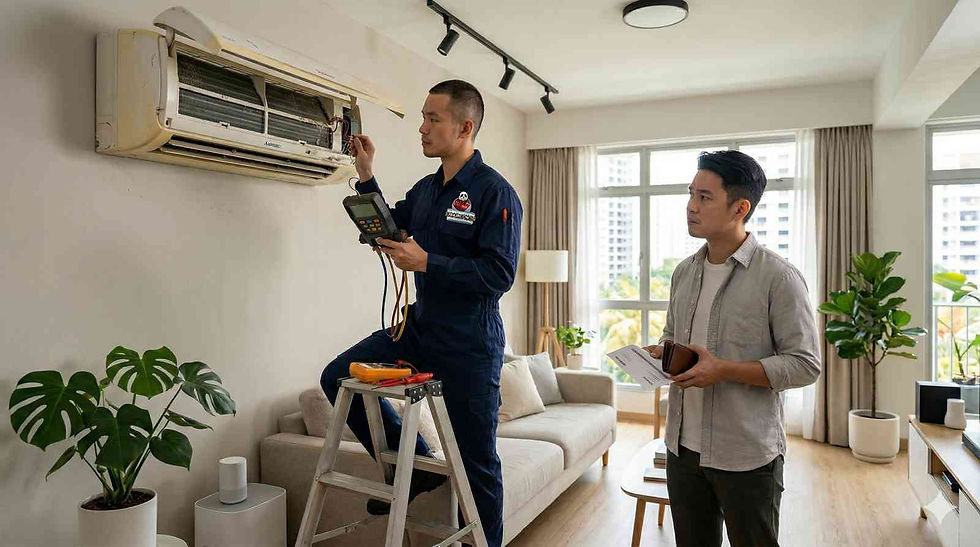
Why Singapore’s Humidity Wrecks Havoc on Your Aircon (and What to Do)


If you live in Singapore, you already know this feeling: you step into your home, turn on the aircon, and expect instant relief—yet the room still feels sticky, musty, or uncomfortable. Over time, leaks develop, odours arise, and performance declines. This is not bad luck or poor design. It’s because humidity wreaks havoc on your aircon in ways most homeowners don’t realise.
Singapore’s climate creates a perfect storm of high humidity, heat, and trapped indoor air. While an air conditioner is designed to cool, it is constantly battling moisture in the air—often far more than it was built to handle. Left unmanaged, this moisture quietly damages your air conditioning system, shortens its lifespan, and drives up energy costs.
This guide explains exactly how humidity affects your aircon, why these problems are more severe in the Singapore climate, and—most importantly—how to prevent them with practical, proven steps.
Quick Takeaways
Singapore’s high humidity overloads aircon systems daily
Moisture causes leaks, mould, and efficiency loss
Regular servicing is critical to prevent damage
Proper settings reduce strain and energy consumption
Managing humidity protects both health and equipment
Why Singapore’s Humidity Is Especially Hard on Air Conditioning
Humidity is not just about discomfort. It’s a physical load on your cooling system.
The Reality of Humidity Levels in Singapore
Average outdoor humidity levels often exceed 80%
Night-time humidity remains high even when temperatures drop
Monsoon seasons trap moisture in the air for weeks at a time
Unlike temperate countries, your air conditioner is not dealing with dry heat. It is constantly removing water vapour from the air, hour after hour, day after day.
This means:
More condensation
More strain on the compressor
Faster wear of internal components
Higher energy consumption
In short, humidity and air conditioning are locked in a daily battle—and humidity often wins.
How Humidity Actually Affects Your Aircon (Without the Technical Jargon)
To understand the damage, you don’t need engineering theory. You just need to understand moisture.
Moisture From the Air Becomes Water Inside Your Unit
When warm, humid air flows across the cold evaporator coil, the excess moisture in the air turns into water droplets. This is normal. But in high humidity, the volume of water increases dramatically.
Your air conditioning unit must:
Collect that water
Channel it through the drainage system
Discharge it safely via the drain line
When any part of this process fails, problems start.
The Hidden Chain Reaction Humidity Triggers
1. Condensation Overload
Excess condensation overwhelms the drain pan. Water spills internally and can lead to ceiling stains, wall damage, or visible dripping.
This is one of the most common reasons homeowners wonder why their aircon starts leaking water.
2. Drain Line Blockages
Constant moisture encourages algae and sludge buildup. Over time, the drain line clogs, causing water to backflow into the unit.
3. Mould and Bacteria Growth
Warm, damp, dark interiors are ideal for mould and bacteria. Once established, mould growth spreads across coils, trays, and insulation.
This affects:
Smell
Health
Indoor air quality
4. Reduced Cooling Efficiency
Humidity forces the system to prioritise dehumidification over cooling. The room may feel cold but not comfortable, leading users to lower the temperature unnecessarily and raising energy costs.
7 Common Aircon Problems Caused by High Humidity in Singapore
These are not random issues. They are humidity-driven failures.
Aircon leaking water from the indoor unit
Musty or sour smells caused by mould
Weak airflow due to clogged air filters
Coil icing even though it’s hot outside
Frequent breakdowns during rainy periods
Corrosion of metal components
Rising electricity bills from increased energy consumption
Each problem may seem isolated. In reality, they are connected symptoms of poor humidity control.
Why These Problems Get Worse During Rainy and Monsoon Seasons
During heavy rain:
Windows stay closed
Natural ventilation drops
Moisture builds up in your home
At the same time, your aircon runs longer to maintain comfort. This creates continuous condensation without relief. The aircon unit never gets a break.
Over weeks, moisture accumulates inside your system, accelerating wear and contamination.
Why “Cold” Doesn’t Mean “Dry”
One of the biggest misconceptions is assuming that if the room feels cold, humidity is under control.
In reality:
Cold air can still hold moisture
Poor dehumidification causes discomfort
Users lower temperatures unnecessarily
This increases energy consumption, stresses the compressor, and shortens your unit’s lifespan.
What You Can Do: Practical Steps That Actually Work
Let’s move from problems to solutions.
Immediate Adjustments You Can Make Today
Use Auto Mode Correctly
Auto mode allows the system to balance cooling and dehumidification. This is far more effective than manually forcing low temperatures.
Set the Right Temperature
The right setting is usually 24–25°C. Lower temperatures don’t remove moisture faster—they just increase strain.
Improve Airflow Direction
Ensure air circulates evenly in the room, not blasting directly onto walls or ceilings, where condensation forms.
Weekly Habits That Protect Your Aircon
Clean Air Filters
Dirty air filters trap moisture and restrict airflow. Cleaning them weekly helps maintain efficiency and reduces the risk of mould.
Inspect for Early Warning Signs
Look for:
Drips
Odours
Unusual noisesIf you notice issues early, you can prevent expensive repairs.
Long-Term Prevention Strategies
Schedule Regular Servicing
Professional servicing clears sludge from the drainage system, disinfects internal components, and restores airflow.
This is essential to keep your aircon’s performance stable in Singapore.
Consider a Dehumidifier
In extremely damp homes, a dehumidifier works alongside aircon to manage indoor humidity without overworking the system.
Dehumidifier vs Aircon: Which Works Better?
This is not an either-or decision.
Air conditioners cool and dehumidify simultaneously
Dehumidifiers focus purely on moisture removal
For homes with persistent dampness, using both improves comfort while reducing stress on the aircon.
When Humidity Damage Requires a Professional
Some issues cannot be fixed with DIY care.
Call a professional if:
Water leaks persist
Smells return after cleaning
Cooling performance drops suddenly
Your system trips or shuts down frequently
These indicate internal damage that needs proper tools and expertise.
How Often Should You Service Your Aircon in Singapore?
Because of the climate:
Light residential use: every 3–4 months
Heavy use or families: every 2–3 months
Rental units: more frequent checks
Regular servicing keeps your air conditioning system resilient against humidity-related damage.
How Humidity Affects Indoor Air Quality and Health
Unchecked moisture doesn’t just harm equipment. It harms people.
High moisture levels:
Encourage mould and bacteria
Aggravate allergies
Affect respiratory health
Reduce air quality
Good aircon care is part of maintaining healthy indoor air quality, especially for children and elderly family members.
Energy Costs: The Hidden Price of Humidity
When humidity is high:
Systems run longer
Cooling cycles increase
Energy costs rise quietly month after month
Managing humidity efficiently is one of the most effective ways to keep electricity bills under control.
Why Singapore Homes Are Especially Vulnerable
Many homes:
Have limited ventilation
Are sealed for noise or pollution
Rely heavily on aircon year-round
Without proper maintenance, moisture becomes trapped in your home, accelerating deterioration.
Final Thought: Humidity Isn’t Your Enemy—Ignoring It Is
You can’t change Singapore’s climate. But you can change how your aircon handles it.
By understanding how humidity wrecks havoc on your aircon, adjusting daily habits, and committing to proper maintenance, you protect:
Your comfort
Your health
Your system
Your wallet
In a climate like ours, smart aircon care isn’t optional—it’s essential.
Book a Humidity-Proof Aircon Check with 338 Aircon
If Singapore’s high humidity is causing leaks, smells, or rising energy bills, don’t wait for a breakdown.
338 Aircon specialises in servicing aircon systems for Singapore’s climate—from clearing clogged drain lines to removing mould and restoring proper humidity control.
Why homeowners choose 338 Aircon:
Climate-aware servicing for humid conditions
Thorough drainage system cleaning (no shortcuts)
Transparent pricing, no upselling
Fast response across HDBs, condos, and landed homes
👉 Protect your aircon before humidity causes costly damage.
Book your aircon servicing with 338 Aircon today and keep your home cool, dry, and healthy—rain or shine.
FAQs
Can humidity damage my aircon even if it still cools?
Yes. Damage often occurs internally long before cooling performance drops.
Why does my aircon leak more during rainy weather?
Rain increases moisture in the air, overwhelming the drainage system.
Is mould inside aircon common in Singapore?
Very. The warm, damp climate makes mould growth extremely common without regular cleaning.
Does an inverter air conditioner handle humidity better?
Inverter systems manage load more efficiently but still require maintenance.
Can better ventilation reduce aircon humidity problems?
Yes. Balanced ventilation reduces trapped moisture in your home.