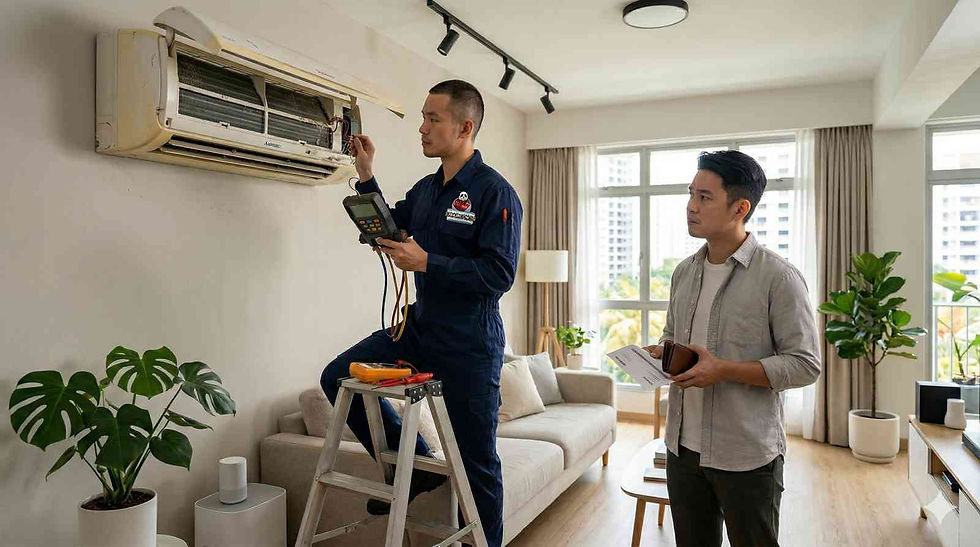
Aircon and Health: Tips for Cleaner, Safer Air


In Singapore, air conditioning isn’t just a luxury—it’s a necessity. With our year-round heat and humidity, most homes, offices, and shopping malls rely heavily on cooling.
However, here’s the catch: while an air conditioner keeps us comfortable, the way it’s used and maintained can have a significant impact on our health.
Think about it. We spend long hours in air-conditioned spaces, often with windows shut tight. That means the air we breathe is constantly being recycled.
If the system isn’t clean or properly maintained, the air indoors can actually become more polluted than the air outside. Over time, this affects your breathing, your skin, your sleep, and even your overall well-being.
This article explores the link between aircon and health, the hidden risks of poorly maintained units, and simple but effective steps you can take to make sure the air you’re breathing is cleaner and safer.
Quick Takeaways
Servicing keeps the system safe and efficient.
Clean filters prevent the buildup of dust and bacteria.
Humidity control stops mold growth.
Ventilation balances cooling with fresh air.
Cleaner air directly supports better health and comfort.
How Air Conditioning Affects Health?
Air conditioning in Singapore homes and offices brings much-needed relief from the tropical heat, but it also influences health in ways we don’t always notice.
When air conditioning systems aren’t properly cleaned, dust, mold spores, and bacteria build up inside the filters and ducts.
These particles then circulate back into the room and eventually into your lungs. That’s why people sometimes complain about dry throats, sneezing, or itchy eyes after spending too much time in an air-conditioned environment.
Medical research has even connected poor indoor air quality with conditions such as allergies, asthma, headaches, and skin irritation.
Office workers who spend long hours in sealed buildings sometimes experience what experts call sick building syndrome—fatigue, irritation, and breathing problems that improve once they leave the building.
The Effects of Poor Air Quality Indoors
It’s easy to underestimate the effects of stale or polluted air. But living in enclosed spaces without fresh circulation takes a toll over time.
Here are a few common issues linked to dirty or unmaintained units:
Respiratory problems: Dust and bacteria in the system trigger coughing, sneezing, and more serious infections.
Dryness and irritation: Overcooling removes moisture from the air, causing dryness in your skin, throat, and eyes.
Weakened immunity: Long-term exposure to contaminated air reduces the body’s natural defenses.
Poor sleep quality: Fluctuations in the temperature and air purity make it harder to rest properly.
There is also a real risk of mold growth inside the unit, especially in humid climates like Singapore. Mold spores are a major trigger for asthma and allergies, and once they take hold, they spread quickly.
Why Singaporeans Should Pay Extra Attention
Our tropical climate creates unique challenges when it comes to indoor air quality.
Due to the constant humidity, air conditioner units frequently accumulate excess moisture within their coils and ducts. When moisture combines with dust, it becomes a breeding ground for mold and bacteria.
This is a problem because once contamination spreads, it can be difficult to control without professional servicing.
Imagine running your aircon daily, thinking it’s keeping you comfortable, while in reality, it’s blowing contaminated air throughout your home.
Many families in Singapore also use aircon at night while sleeping. If your air is not properly filtered and cleaned, the impact on sleep quality and health can be significant—especially for children and elderly family members who are more sensitive to air quality.
Health Concerns Linked to Dirty Aircons
The health issues caused by poorly maintained cooling systems range from mild discomfort to serious illness. Some examples include:
Respiratory infections: Mold and bacteria multiply in damp conditions and can spread through the ducts.
Skin and eye irritation: Overcooling removes essential moisture from the body, leading to itchy skin and sore eyes.
Allergy flare-ups: Dust and pollen trapped inside circulate back into the room.
Immune system strain: Constant exposure to contaminated air reduces your ability to fight off colds and flu.
In extreme cases, bacteria from water systems in cooling towers can cause Legionnaires disease, a serious lung infection. This is one of the hidden dangers of air conditioning that shows why regular checks are vital.
How Aircon Affects the Body Day to Day
Our bodies are highly sensitive to air quality. Prolonged exposure to stale or polluted environments affects concentration, mood, and overall well-being.
You may notice subtle signs such as headaches, sore throats, or disrupted sleep. Fluctuations in body temperature at night may also suggest your AC isn’t working properly or maintaining even airflow.
If left unchecked, these symptoms can escalate into more serious health problems due to constant exposure to poor indoor conditions.
Mold and Humidity: Singapore’s Biggest Challenge
Humidity is one of the biggest culprits when it comes to aircon-related health issues in Singapore.
Moisture builds up inside coils, ducts, and even walls, creating ideal conditions for mold growth.
Mold spores are invisible but harmful. For people with asthma or allergies, they can cause frequent attacks and breathing problems. Once mold develops inside a system, professional cleaning is usually the only solution.
Moisture problems also reduce cooling efficiency, which means your AC has to work harder and consume more energy.
Office Workers and Indoor Air
The impact of air conditioning isn’t limited to homes. Office workers spend most of their day in sealed, air-conditioned buildings. Without proper ventilation, pollutants build up and circulate through the same system.
This explains why employees often complain of fatigue, sinus problems, or itchy eyes. Poor indoor air also reduces productivity and contributes to higher absenteeism rates.
For companies, maintaining healthy cooling systems isn’t just about comfort—it’s about protecting employee health and business performance.
When Aircon Becomes a Health Risk
There is a point where an unmaintained system can become dangerous.
Stagnant moisture inside ducts becomes a breeding ground for bacteria. In rare but severe cases, water contaminated with Legionella bacteria can lead to Legionnaires disease.
Another hidden risk is refrigerant leakage. When refrigerant levels drop, cooling performance suffers, and harmful chemicals can escape into the living space.
This not only affects the unit's efficiency but also poses potential safety hazards.
Why Ventilation Matters
Cooling alone isn’t enough. Without ventilation, the same air circulates over and over, concentrating pollutants inside the room.
Opening windows occasionally or opting for modern systems designed with improved ventilation is essential. Fresh air helps dilute contaminants, making indoor environments healthier.
In high-rise Singapore buildings, balancing aircon with proper ventilation systems is key to safe, clean living.
Warning Signs to Watch Out For
Your unit may already be affecting your health. Watch for these signals:
Persistent coughing or sinus issues
Musty smells from the vents
Uneven cooling across the room
Trouble sleeping through the night
Visible mold patches around ducts or filters
Any of these signs should be a reminder to schedule a professional inspection.
What Studies Show
Studies repeatedly confirm the connection between air conditioning and health.
In one group study, participants exposed to unclean units experienced double the allergy symptoms compared to those in clean environments.
Other studies link absenteeism and low productivity in offices directly to poor indoor air quality. The evidence is clear: maintaining clean units and proper airflow is not just about comfort—it’s about protecting health.
Health Risks of Poor Aircon vs. Benefits of Clean Aircon
Aspect | Poorly Maintained Aircon | Well-Maintained Aircon |
Air Quality | Circulates dust, bacteria, and mold | Provides fresher, filtered, cleaner air |
Health Effects | Higher risk of allergies, asthma, and infections | Stronger immunity and fewer respiratory issues |
Sleep Quality | Uneven temperatures disrupt rest | Consistent cooling improves sleep |
Moisture & Humidity | Mold growth and dampness spread | Moisture controlled, mold prevented |
Energy Efficiency | Clogged filters increase bills | Smooth airflow lowers costs |
System Lifespan | More wear and tear, frequent breakdowns | Longer-lasting, more reliable system |
Living Space Comfort | Stale air and uneven cooling | Balanced ventilation, fresher environment |
Practical Tips for Cleaner, Safer Air
Keeping your unit healthy doesn’t require complicated steps. A few simple practices go a long way:
Schedule regular servicing every 3–6 months.
Wash or replace filters to stop dust and allergens.
Use dehumidifiers to manage humidity and prevent mold.
Open windows when possible to allow fresh air circulation.
Upgrade older units to modern models designed for cleaner, more efficient performance.
The Long-Term Benefits of Clean Air
Maintaining your cooling system offers more than comfort—it protects health, saves money, and ensures peace of mind.
Clean air reduces the risk of respiratory infections, supports the immune system, and improves sleep. For families, this means fewer sick days.
For businesses, it means healthier, more productive employees. And for everyone, it means systems that last longer and run more efficiently.
FAQs
How often should I service my aircon?
In Singapore, every 3–6 months is ideal for keeping units safe and efficient.
Can aircon make asthma worse?
Yes. Poorly cleaned filters and ducts spread dust and mold that trigger asthma and allergies.
Is chemical washing safe?
Yes. Professional chemical washes remove bacteria, mold, and buildup safely.
What filter should I use?
HEPA filters are best for capturing fine dust and allergens.
How do I know if my unit is polluting the air?
Look out for musty odors, reduced cooling, or frequent coughing and sneezing indoors.
Final Thoughts
Air conditioning is a way of life in Singapore, but it comes with responsibilities.
Without regular maintenance, these systems can harm health instead of protecting comfort. With proper servicing, ventilation, and care, your home or office can enjoy cleaner, safer air every day.
At 338 Aircon, we don’t just fix cooling problems—we help families and businesses breathe better.
Whether it’s routine maintenance, chemical washing, or upgrading to a healthier system, our team is ready to keep your AC working safely and efficiently.
👉 Contact us today to safeguard your air, your health, and your comfort.