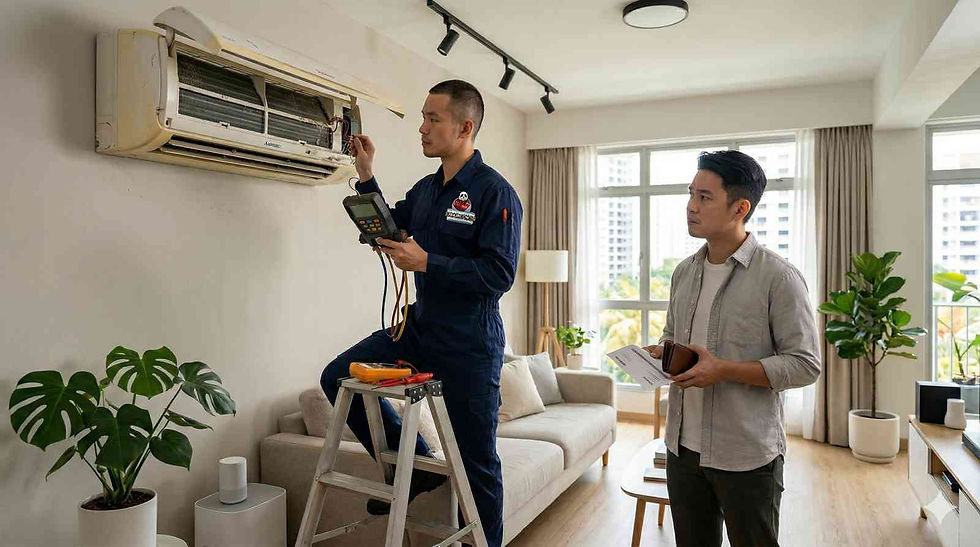
How to Check Aircon Thermostat: A Complete Guide for Singapore Homes

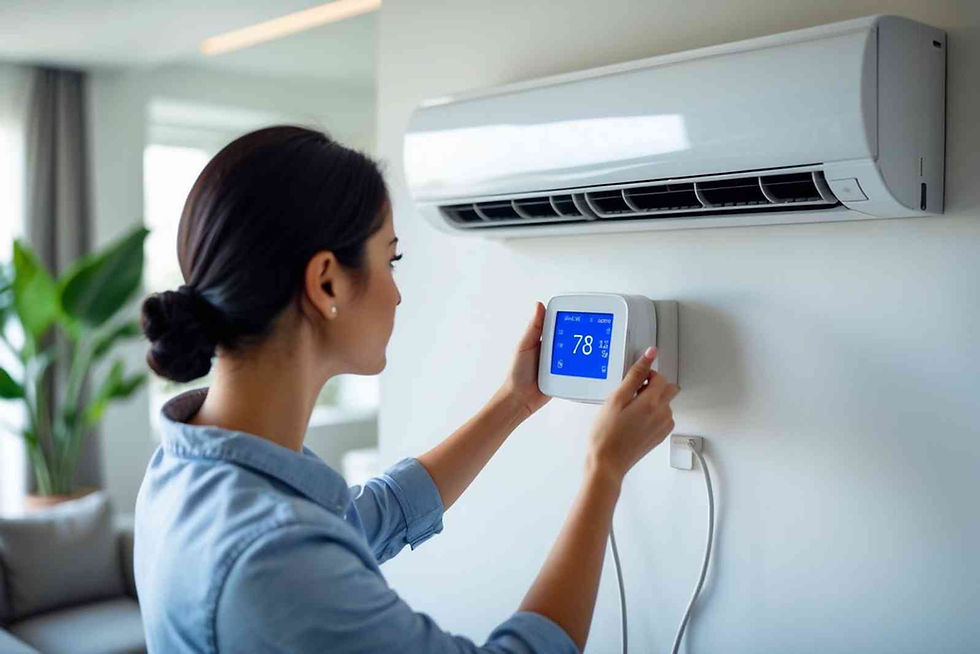
If your aircon suddenly feels like it’s not cooling properly, the problem might not be with the compressor or refrigerant—it could be the thermostat.
In many air conditioning systems, the thermostat is the small yet mighty device that tells your air conditioner when to turn on and off, thereby maintaining a comfortable level in your home. When it fails, your AC can’t regulate the temperature properly, leading to discomfort, wasted electricity, and higher bills.
In Singapore, where we rely heavily on air conditioning units to combat year-round humidity and heat, knowing how to check aircon thermostat issues is essential.
Whether you’re troubleshooting before calling a professional or just want to understand your system better, this guide walks you through everything from basic checks to more advanced steps.
Quick Takeaways
The thermostat is the brain of your air conditioning system.
Signs of a faulty thermostat include incorrect temperature readings, blank displays, and unresponsive controls.
Simple DIY checks include replacing batteries, comparing the room temperature, and adjusting the set temperature.
Always turn off the system before inspecting wiring or terminals.
For complex thermostat issues, call a professional aircon technician in Singapore.
What Is a Thermostat and Why Is It Important?
A thermostat is a control device that regulates the temperature of your home by communicating with your air conditioning system. It uses temperature sensors to detect the room temperature and then signals your AC to cool or stop cooling based on the desired temperature you’ve set.
Think of it as the brain of your HVAC system. Without a working thermostat, your air conditioning unit doesn’t know when to switch on or off, which can result in wasted energy or a house that’s too warm or too cold.
The thermostat is also central to energy efficiency. If your thermostat is calibrated correctly, it can help reduce power consumption by ensuring that the air conditioning system isn’t working harder than necessary.
Signs You May Have Thermostat Issues
Before learning how to check, it’s important to recognize common warning signs that your thermostat is not in working order:
The air conditioner is running continuously without reaching the set temperature.
The system doesn’t respond when you change the temperature on the control panel.
The thermostat display is blank or flickering.
You feel a noticeable difference between the room temperature and the temperature readings on your thermostat.
The AC cycles on and off too frequently.
The desired temperature is not maintained, and your home feels uncomfortable.
If your thermostat is malfunctioning, these issues can reduce comfort and energy efficiency.
Tools You May Need to Check the Thermostat
To properly test your thermostat, you may want to have a few basic tools on hand:
A household thermometer (to compare room temperature with thermostat readings).
Small screwdriver (for opening the control panel if necessary).
Multimeter (to test thermostat terminals and electrical continuity).
New batteries (if the thermostat uses replaceable batteries).
Step-by-Step Guide: How to Check Aircon Thermostat
Here’s a comprehensive step-by-step guide to checking your thermostat.
1. Confirm the Thermostat Settings
Start with the simplest step. Look at the thermostat control panel to see if it is set to “Cool” mode and that the set temperature is lower than the room temperature. Many air conditioners won’t turn on if the set temperature is higher than the current room temperature.
2. Check the Batteries
If your thermostat uses batteries, weak or dead ones can cause the thermostat to malfunction. Replace the batteries with fresh ones and see if the display stabilizes.
3. Compare Room Temperature
Place a separate thermometer near the thermostat. Wait about 15 minutes, then compare the readings. If the temperature sensors inside your thermostat show a big difference from the external thermometer, the thermostat may need recalibration or replacement.
4. Adjust the Set Temperature
Lower the thermostat setting by 3–5°C to see if the air conditioner turns on. If the aircon does not respond, it may indicate thermostat issues.
5. Inspect the Location
Where your thermostat is installed makes a difference. If it is placed near direct sunlight, windows, or appliances that emit heat, it can give inaccurate readings. A thermostat installed in the wrong spot may cause the system to turn off prematurely or run longer than necessary.
6. Reset the Thermostat
Some thermostats have a reset option. Refer to your thermostat’s manual or manufacturer’s instructions to reset it to factory settings. This can often fix minor glitches.
7. Inspect the Wiring (Advanced Step)
If you have a digital thermostat and feel confident working with electrical components, carefully remove the control panel to expose the thermostat terminals. Turn off the power to your HVAC system before doing this. Check the wires for corrosion, loose connections, or frayed ends.
8. Test the Terminals with a Multimeter
Use a multimeter to test thermostat terminals for electrical continuity. This step helps you see if the thermostat is properly sending signals to the system. If readings are inconsistent, the thermostat may be faulty.
9. Listen for the AC Response
After reconnecting everything and turning the system back on, listen closely. When you lower the set temperature, the air conditioner should respond within a few minutes. If your AC does not activate, further testing or replacement may be required.
How to Test the Thermostat Safely
If you’re unsure about wiring or electrical tests, you can still test your thermostat safely by following these steps:
Set your thermostat to a temperature below room temperature.
Stand near the indoor unit to see if the air conditioner responds.
If nothing happens, and the batteries are new, the problem may be deeper in the system.
This method is often sufficient to confirm whether your thermostat is working or not, without requiring specialized tools.
Common Thermostat Problems in Singapore Homes
Due to Singapore’s tropical climate, air conditioners are heavily used throughout the year. This constant use increases wear on thermostats. Some common thermostat issues include:
Dust and dirt building up inside the control panel, affecting temperature sensors.
Electrical surges damaging the thermostat terminals.
Battery leakage in digital thermostats.
Wear and tear on mechanical thermostats in older air conditioning systems.
Incorrect placement near hot appliances, leading to inaccurate readings.
DIY vs Professional Help
You can perform many of the steps above to check the thermostat yourself. However, there are times when calling a professional is the safest choice.
DIY Checks Work Best When:
You need to replace batteries.
You are confirming basic settings.
You want to compare thermostat temperature readings with room temperature.
Call a Professional When:
The thermostat is not responding at all.
You see damaged wiring or corrosion.
The system keeps running even when the thermostat is turned off.
You need to replace or rewire a thermostat.
In Singapore, hiring a professional ensures that your air conditioning system remains in good working order and that no additional damage is done.
How Often Should You Check Your Thermostat?
Experts recommend checking your thermostat at least once every three months. Regular checks help catch small issues before they become big problems. During routine aircon servicing, technicians also check the thermostat to ensure it is calibrated and functioning correctly.
Preventing Thermostat Issues
While you can’t stop wear and tear, you can reduce the risk of thermostat problems by following these preventive measures:
Replace the batteries every year.
Keep the thermostat clean by wiping the control panel gently.
Schedule regular maintenance for your HVAC system.
Place the thermostat in a central part of your home away from windows and heat sources.
Upgrade to a smart thermostat if your current model is outdated.
Cost of Thermostat Replacement in Singapore
If your thermostat is beyond repair, replacing it may be necessary. The cost depends on the type of thermostat and whether you hire a professional. In Singapore, basic replacements may cost between SGD 100 and SGD 250, while advanced smart thermostats can cost even more. Installation charges by professional air conditioning services may also apply.
Frequently Asked Questions
1. How do I know if my thermostat is faulty?
If your aircon is not cooling, doesn’t respond to changes on the thermostat, or the temperature readings are inaccurate, you may have a faulty thermostat.
2. Can I replace a thermostat myself?
You can replace a basic battery-operated thermostat, but for wired thermostats, it’s safer to hire a professional.
3. How often should I check my thermostat?
At least every three months, or whenever you notice that the air conditioner is not cooling as expected.
4. What’s the difference between a thermostat and temperature sensors?
Temperature sensors feed data to the thermostat, but the thermostat is the device that interprets this data and controls the system.
5. Should I upgrade to a smart thermostat?
Yes, if you want better control, improved energy efficiency, and the ability to monitor your system remotely.
Final Thoughts
Knowing how to check aircon thermostat problems can save you time, money, and frustration. A thermostat is a small component of your air conditioning system, but it plays a crucial role in maintaining a cool and comfortable home.
If your thermostat is not in working order even after simple DIY checks, don’t hesitate to call a professional. In Singapore, where air conditioners are a vital part of daily life, it is essential to address thermostat issues promptly to maintain both comfort and energy efficiency.
Whether you are performing a quick battery change or calling in a technician to test thermostat terminals, staying proactive ensures that your system works at its best year-round.
Ready to Fix Your Thermostat?
If your air conditioner still isn’t cooling after following these steps, it may be time to call in the experts. At 338 Aircon, we provide professional thermostat troubleshooting, repairs, and full aircon servicing anywhere in Singapore. Our experienced technicians can quickly identify the issue, restore your system to optimal efficiency, and ensure your home remains cool and comfortable.
👉 Call us today or book your aircon servicing online with 338 Aircon — your trusted local aircon specialists in Singapore.