Best Aircon Cleaning Bag in Singapore (2026) - Expert Guide

Updated: Jan 1, 2026

If you’ve ever cleaned your aircon on your own, you’ll probably remember the moment you thought everything was going smoothly… right before the water dripped somewhere it wasn’t supposed to. For me, it happened years ago while cleaning my bedroom unit on a Sunday morning.
I’d laid towels everywhere—feeling proud and overly confident—and then one tiny stream of dirty water escaped down the back of the wall. That sinking feeling stays with you. It’s also the moment I realised how important the best aircon cleaning bag really is.
Most of us try DIY cleaning because we just want the job done quickly. A bit of sludge on the blower, a dusty coil, maybe a musty smell. Nothing dramatic. But if the wash bag you’re using doesn’t hold up, the whole thing becomes a stressful chain reaction: dripping water, soaking towels, and an inner voice going,
“Why did I try this myself?”
I’ve spoken to homeowners, technicians, even landlords who’ve seen all sorts of creative attempts at aircon cleaning—plastic sheets, trash bags, even umbrellas (yes, really).
After going through a variety of cleaning bags myself, I realised that the one thing that separates a smooth experience from a disaster is how well that simple-looking accessory is designed.
And that’s what this guide is really about: peace of mind. Making sure your walls, your floor, and honestly, your mood stay intact.
Quick Takeaways
A proper aircon cleaning bag spares you from unexpected leaks, stained walls, and “why-is-this-happening” panic.
Heavy-duty PVC bags remain the most reliable choice for both ordinary rinsing and deeper washes.
A good fit isn’t optional—gaps are how trouble begins.
Reusable bags are kinder to your wallet and the environment in the long run.
DIY washes are fine for upkeep, but deeper issues still need proper servicing.
What Makes an Aircon Cleaning Bag So Important?
At its heart, a cleaning bag—or ac cleaning bag as some people call it—is simply something that catches the dirty water during a wash. But that’s like saying a seatbelt is just a strap. A good one sits snugly under the unit, catches the gush of water as you rinse off the grime, and channels everything neatly to a bucket or drain.
When it fails, though, it fails loudly: water trickling where it shouldn’t, awkward splashing against the wall, that sharp intake of breath when you realise this might get messy.
But when it works? You barely think about it. And that’s the beauty of it.
Why the Right Bag Matters More Than People Think
If your aircon hasn’t been cleaned in months, the amount of dirt hiding inside the coils and drainage system can be shocking. During a rinse, all of that needs to go somewhere.
If your bag isn’t fitted properly or can’t handle the pressure, water escapes—and not always in obvious ways. Sometimes you only see the stains a week later.
I’ve personally seen walls blister, sofa corners get soaked, and even a light fixture short-circuit because a drip found its way into the wrong spot. All preventable, if only the cleaning setup had been more solid.
So… How Do You Choose the Best Aircon Cleaning Bag?
Here’s what years of cleaning (and mistakes) have taught me:
1. Go for Real Material Strength
The bags worth trusting are almost always made of thick PVC. That solid, slightly rubbery feel matters.
Tough bags like Hydrobag and Hydrocell—popular with technicians here and in Australia—have reinforced seams that don’t give in under pressure.
2. Make Sure It Fits Your Unit
There’s always that one person who buys a universal bag only to realise their living-room unit is wider than expected. Measure first. A snug fit means the bag won’t sag or open gaps for water to escape.
3. Don’t Underestimate the Drainage Outlet
It should feel sturdy when you push the hose on—not loose. A gentle tug shouldn’t pop it off. Water has a mind of its own; give it a proper exit.
4. Make Life Easier With Simple Installation
You don’t need a complicated setup. A hook-and-strap style is usually enough. You’re already dealing with a ladder and cleaning tools; the bag shouldn’t feel like assembling furniture.
5. Choose a Reusable Bag When Possible
It’s friendlier on the wallet and doesn’t tear after one wash. Disposable ones usually fail when you need them not to.
6. Think About Pressure Washing
If you’re planning a stronger clean—something using a proper jet washer—you’ll want a bag that’s built for that. Cheaper models tend to balloon and burst.
The Best Aircon Cleaning Bags in Singapore (2026)
1. Heavy-Duty PVC Bag (Top Pick)
This is the bag you get when you don’t want surprises. It feels secure, doesn’t shift around, and handles the pressure of rinsing without complaining.
2. Lightweight DIY Cleaning Bag
I’ve met many first-time cleaners who want something less intimidating. This lighter bag is usually their go-to. It dries quickly and folds up neatly after use.
3. Simple Budget Bag
Honestly, it does the job if you clean once a year, but don’t expect it to survive strong jets or repeated washes.
A Simple, Calm Guide to Using a Cleaning Bag
Turn off the aircon—always.
Set up a sturdy ladder (wobbly chairs don’t count).
Fit the bag securely under the unit.
Guide the drainage hose into a bucket.
Start rinsing the coils and blower wheel.
Check the water flow—adjust if needed.
Remove the bag slowly; rushing always leads to spills.
Hang the bag somewhere airy to dry.
This little routine becomes second nature after a few washes.
DIY vs Professional Servicing (A Heartfelt Perspective)
DIY makes sense if all you’re doing is removing surface-level dirt. It’s oddly satisfying to see brownish water flowing into the bucket—you know your effort made a difference.
But when something deeper is wrong—leaks, poor cooling, or weird smells—no bag will fix the root issue. That’s when you call someone trained to spot things you might overlook.
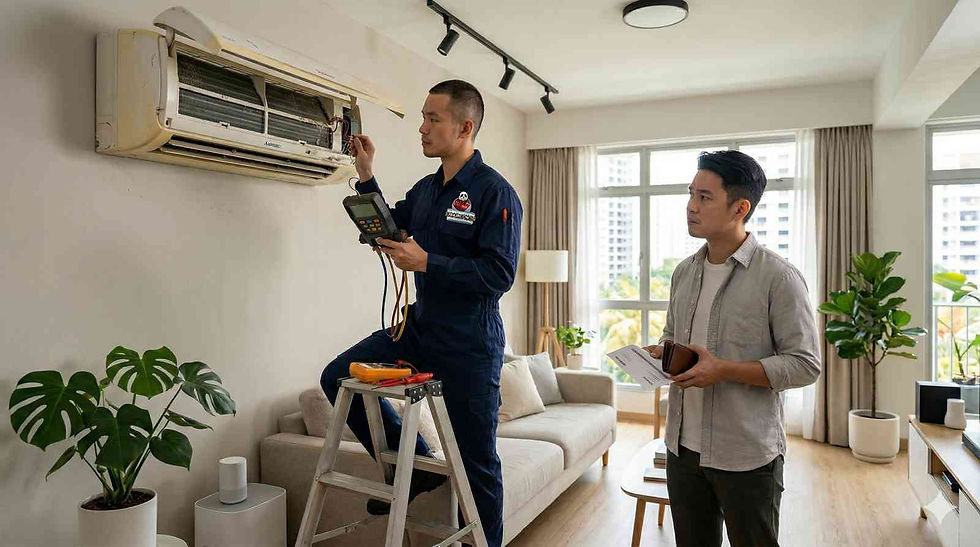
A good technician doesn’t just clean; they diagnose. And many aircon servicing companies today even let you book through an app, complete with responsive customer service.
There’s no shame in getting help. Sometimes it’s the smarter, cheaper choice in the long run.
How Long Does a Cleaning Bag Last?
A reusable bag that’s well cared for usually lasts over a year. Signs you need a new one:
Seams looking tired
PVC turning stiff
Hose connector getting loose
Faint mould patches appearing
Store it properly and it’ll serve you faithfully for many washes.
What Should You Expect to Pay?
Most Singaporeans end up choosing something in these ranges:
$12–$25: Basic bags
$30–$40: Reusable mid-range
$55–$90: Heavy-duty PVC
Premium brands like Hydrobag or Hydrocell cost more but earn their keep.
Final Thoughts
A reliable cleaning bag isn’t just a tool—it’s the quiet peace you feel knowing the walls aren’t getting soaked and nothing is dripping where it shouldn’t. Whether you’re washing a bedroom unit or tackling a larger living-room system, the right bag helps the whole process feel smooth instead of stressful.
At the end of the day, aircon cleaning isn’t about fancy techniques. It’s about having the right tools, a little patience, and the confidence that what you’re doing won’t cause more problems than it solves.
If you ever need a deeper clean, don’t hesitate to call in a pro. But for everything else? A trustworthy cleaning bag is your best friend.
FAQs
1. How do I choose the right bag size?
Measure the width of your indoor unit and pick a bag that’s equal or slightly wider. Too narrow = leaks. Larger living-room units often need wider bags.
2. Is a cleaning bag safe for beginners to use?
Yes. As long as you secure the straps properly and position the drainage hose well, most first-timers manage without issues.
3. Can a cleaning bag handle chemical washes or strong jets?
Only if it’s made of heavy-duty PVC. Thin or disposable bags may tear under pressure.
4. How often should I replace a cleaning bag?
Typically, once a year, or earlier if you see loose seams, stiff material, or a weak hose connector.
5. When should I DIY and when should I call a technician?
DIY is fine for light rinsing. For leaks, weak cooling, smells, or clogged parts, a technician is the safer choice.